

The 2025 Guide to Shopify AOV: How to Scale Revenue Per User with AI
Introduction
Traffic is getting more expensive by the day. If your growth strategy relies entirely on buying more ads, you are fighting a losing battle. The smartest Shopify merchants know that the real profit lies in maximizing the value of the traffic you already have.
In this guide, we are going deep into Average Order Value (AOV). We will break down exactly what it is, why most stores calculate it wrong, and how you can use Dori AI to automatically lift this metric without touching your ad budget.
What is Average Order Value (AOV)?
At its core, Average Order Value is a performance metric that tracks the mean dollar amount spent each time a customer completes a purchase on your store.
However, viewing it just as a "sales number" is a mistake. AOV is actually a behavioral metric. It tells you if your customers are exploring your full catalog or just grabbing a single item and leaving. A low AOV usually signals a discovery problem—customers can't find the matching items they need.
Why AOV determines your profitability
AOV is the lever that decouples your revenue from your customer acquisition costs (CAC).
- Scenario A: You pay $20 to acquire a customer who spends $40. Your margin is razor-thin.
- Scenario B: You pay $20 to acquire a customer. Through better search and AI upsells, they spend $90. You have just doubled your profit without spending a penny more on marketing.
The Big Myth: "Just Raise Your Prices"
A common misconception is that the only way to fix AOV is to make your products more expensive. This is dangerous because it often kills your conversion rate.
The sustainable way to grow AOV is through Relevance. If you show the right add-on product at the exact moment a customer has high buying intent, they will spend more.
The Formula: Calculating Your Baseline
Before we fix it, let's measure it. The math is simple:
Total Revenue ÷ Total Number of Orders = AOV
Example: If your store generated $150,000 last month across 1,200 individual orders, your AOV is $125.
3 AI Tactics to Scale AOV (That Actually Work)
Traditional "Frequently Bought Together" widgets are becoming invisible to shoppers. To move the needle in 2025, you need intelligent, dynamic interactions. Here is how to do it with Dori.
1. Eliminate the "Dead-End" Search Experience
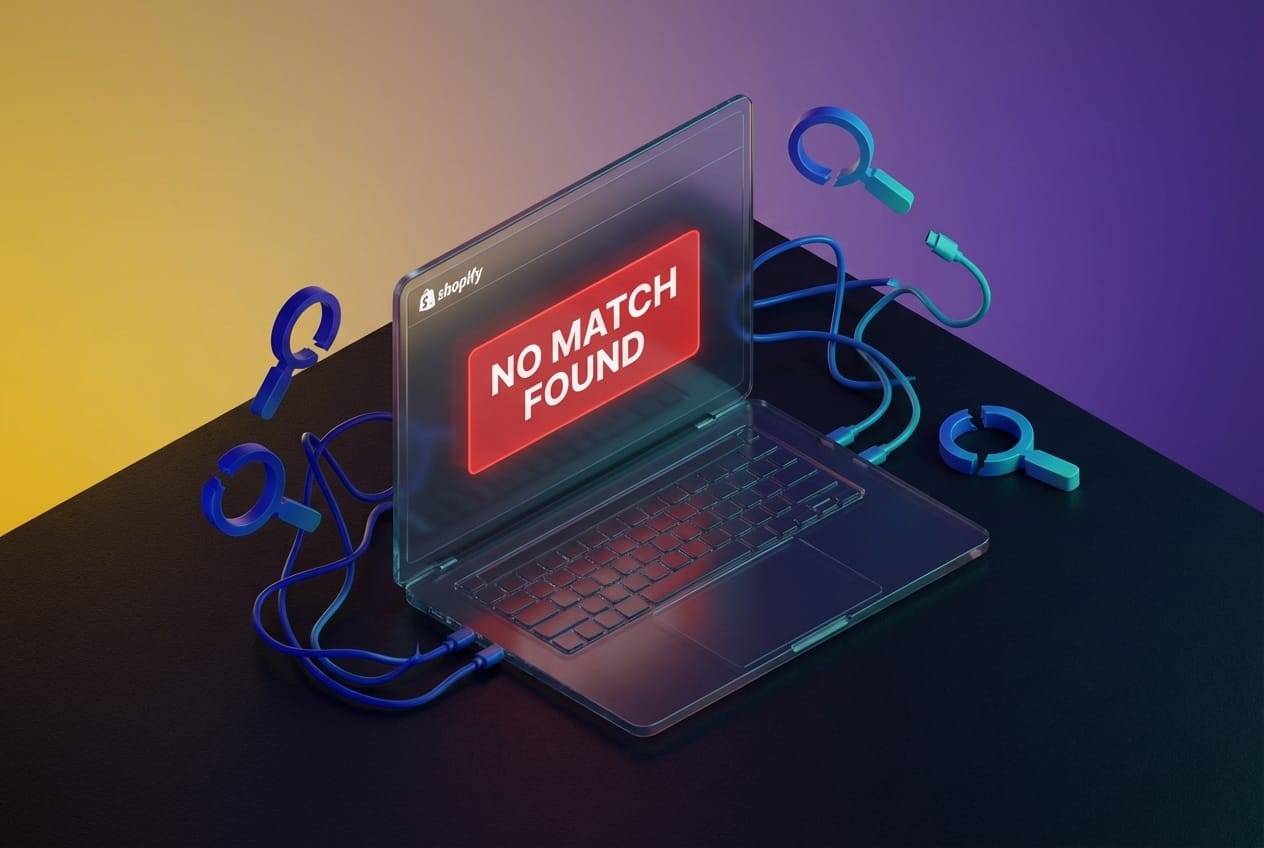
Nothing kills a potential upsell faster than a bad search bar. If a user types "beige heels" and your store returns zero results (because you tagged them as "nude pumps"), that customer leaves.
The Strategy: Implement Semantic AI Search.
Unlike old keyword search bars, Dori understands context and synonyms. It ensures that every search query leads to a relevant product page. By simply reducing your "Zero-Results Rate," you naturally increase the number of products customers see and buy.
2. Turn Support into Sales (Conversational Upselling)
Your chat widget shouldn't just be for complaints—it should be your top salesperson.
The Strategy: Proactive AI Recommendations.
Imagine a customer asks your chatbot, "Does this coffee machine come with filters?"
- The Old Way: "No, it does not." (Conversation ends).
- The Dori Way: "It doesn't include them, but we have a compatible eco-filter pack available here. Shall I add it to your cart?"
This creates a seamless path to a higher checkout value directly within the chat interface.
3. Predictive Product Discovery
Shoppers suffer from decision fatigue. If they have to dig through 10 pages to find a matching accessory, they won't buy it.
The Strategy: Dynamic, Intent-Based Sorting.
Dori analyzes user behavior in real-time. If a visitor is browsing hiking boots, the search results and recommendations shouldn't show them sandals. The AI automatically prioritizes hiking socks and waterproofing kits. This relevance reduces the friction between "browsing" and "buying more."

Vital Metrics to Monitor
To ensure your AOV strategy is working, keep an eye on these secondary metrics. They tell the full story.
Future-Proofing Your Store
The e-commerce landscape is shifting. With platforms like TikTok and Meta becoming saturated, the stores that win will be the ones that master On-Site Personalization.
- Context over Keywords: Understanding why a customer is searching is more important than matching the exact word they typed.
- Instant Gratification: Customers expect immediate answers to pre-sales questions. AI is the only way to provide this at scale, 24/7.
Conclusion
You don't need a bigger marketing budget to increase your revenue—you just need a smarter store. By optimizing your search and turning your chat into a revenue channel with Dori, you can systematically increase your AOV.
Stop leaving money on the table. Give your customers the seamless, personalized experience they are looking for.
Ready to upgrade your store's intelligence?
👉 Get Dori AI for Shopify
